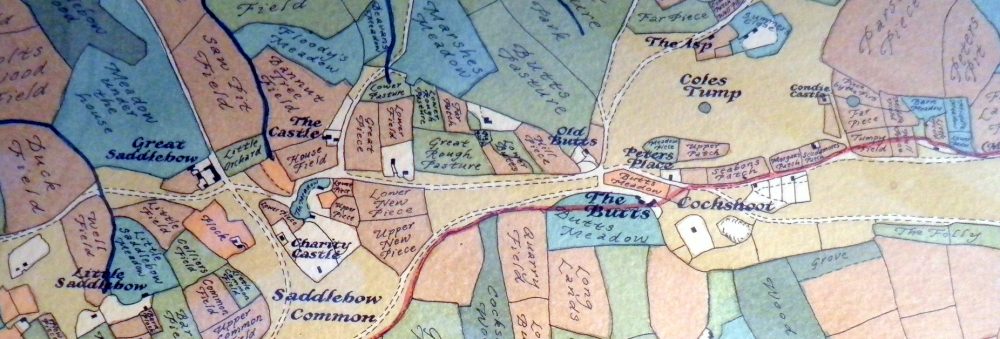
In the Vale of Aylesbury there once thrived a plum whose name told its ambition – the Aylesbury Prune. Long forgotten, it offers more than nostalgia: it offers opportunity. What if this old-local fruit could become a signature product for the locality or elsewhere?
Rediscovering a Local Treasure
The Aylesbury Prune is a little-known plum cultivar with a strong local story. It hails from the Vale of Aylesbury in Buckinghamshire, once a core fruit-growing locality to the west of the Chiltern Hills. Slow Food in the UK+2Fondazione Slow Food+2
The fruit is small-to-medium, oval, skin blue-black with a slight bloom, flesh golden-yellow, flavour sweet with a touch of acid. Slow Food in the UK+1 It ripens late (often into October), after many other plums have finished. Bernwode Fruit Trees+1
Originally grown commercially—though on a modest scale—it was once “the heart of a thriving industry for the London market”. Bernwode Fruit Trees+1 But nowadays the Aylesbury Prune is very rare. Fondazione Slow Food
Why It Matters for Localism
Localism means grounding production, processing and identity in a defined locality. The Aylesbury Prune ticks the boxes:
- Grown in a definable locality (the Vale of Aylesbury, Bucks) with historical fruit-growing credentials.
- A unique cultivar – not one of the ubiquitous imported plums.
- Late-season harvest gives a niche window for local markets, agritourism or heritage orchard branding.
- A story: heritage, place, craft, identity. Consumers increasingly value provenance.
If local producers revived the Aylesbury Prune consciously, they could build a distinct product: “From the Vale of Aylesbury’s heritage orchards” rather than “standard plum”.
What a Revival Might Look Like
Here are some steps and ideas:
- Orchard revival – Identify old orchards or hedgerow trees of Aylesbury Prune in the locality. Propagate young trees (many nurseries still list them).
- Harvest & processing strategy – Because of its late harvest and distinct flavour, you could market:
- Fresh eating plums (premium niche).
- Culinary/plum products: tarts, preserves, cooking fruit.
- Perhaps dried “prune-style” product (though note many British damson-type plums don’t dry the same as Californian prunes).
- Branding & storytelling – Use the heritage angle: “A fruit once shipped by canal from the Vale to London markets”, “Reviving the Aylesbury Prune orchard tradition”.
- Local supply chain – Sell via farm gates, farmers’ markets, local box-schemes, gourmet shops. Use farm shop cafés, agritourism (pick-your-own), local food festivals.
- Identity preservation – Tie the cultivar to the locality (Vale of Aylesbury, Bucks) avoiding generic “region”. Emphasise distinctiveness and scarcity.
- Partnerships – Work with local authority food/locality programmes, heritage orchard groups, biodiversity/heritage schemes (the cultivar is listed by Slow Food UK’s Ark-of-Taste. Fondazione Slow Food+1
Challenges to Be Aware Of
- Scale: The heritage cultivar may have lower yields, less uniformity, and may not match commercial standard plums in shipping/handling ease.
- Processing for drying: If you aim for a “prune” style dried product, you’d need to test drying behaviour; many British damsons were not historically dried at scale.
- Market development: Niche heritage fruit demands higher unit price, good branding, and consumer awareness.
- Orchard management: Old trees may be at end-of-life; propagation and re-establishment take time and investment.
- Supply chain consistency: Seasonal variation, fruit size/quality may vary and local labour or orchard expertise will matter.
Why Now Is A Good Moment
- Consumer taste is shifting: emphasis on provenance, heritage varieties, local food narratives.
- Localism is gaining traction: interest in reconnecting food production and the local foodscape.
- Farm diversification: growers seeking niche markets beyond bulk commodity plums.
- Heritage planting: orchard restoration receives public/charitable support in many localities.