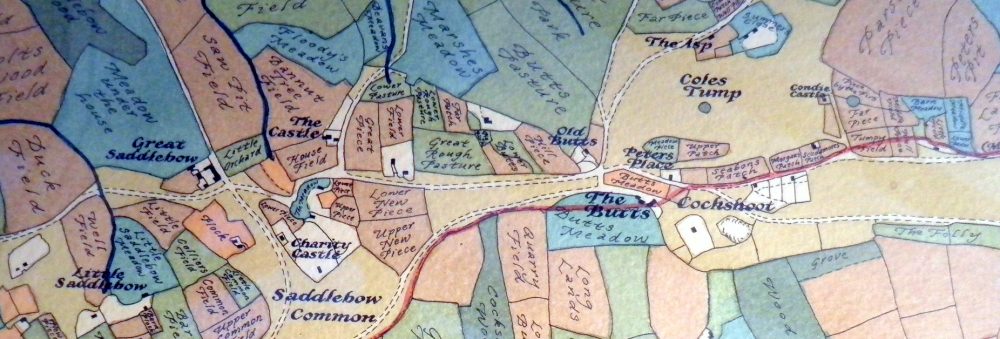
Before oil, refrigeration and global trade, towns and cities did not sit above the countryside as separate worlds. They were part of it. Every borough and city was embedded in a living web of farms, smallholdings, woods, rivers and market gardens that existed to keep it fed. But the dependence ran both ways. The countryside fed the town, and the town sustained the countryside.
The feeding ground
Every town had a feeding ground. This was the ring of land that lay within a day’s travel by foot, horse or boat. From this land came milk, vegetables, fruit, meat, eggs, grain, fish, fuelwood and animal feed. Fresh food could not be stored for long and could not be moved far. This made proximity essential.
A town could not grow larger than the land around it could feed. If harvests failed, the town suffered. If the countryside prospered, the town prospered too.
Markets as the heart of the system
Food moved through markets. Farmers, growers, fishermen and smallholders brought their produce into the borough on market days. Bakers, butchers, brewers, innkeepers and ordinary households bought directly from them.
This was not just trade. It was a social and economic bond. People knew who grew their food. Prices reflected real local supply. If one valley had a bad year, the town felt it immediately.
Markets were also where news travelled, where labour was hired, where credit was extended, and where disputes were settled. The market was the countryside’s window into the town.
Towns were also farming places
Towns did not just consume food. They produced it.
Inside and around boroughs there were:
- Market gardens supplying vegetables and herbs
- Dairies keeping cows for fresh milk
- Piggeries fed on kitchen waste
- Poultry yards
- Orchards and hop gardens
- Maltings, breweries and bakeries
Some towns even ran their own farms. Hereford, for example, had the Hereford City Farm, which survived into the modern period and only closed recently. It was a direct survival of the old idea that a town should have its own land to help feed its people.
Urban waste went back to the land as manure. Animals turned scraps into meat. Nothing was wasted. The town and its surrounding fields formed one working system.
The countryside depended on the town
Farmers did not live in isolation. They depended on the town for things they could not easily provide themselves.
They relied on:
- Lawyers to handle land, inheritance and leases
- Markets to sell produce and buy tools
- Blacksmiths, wheelwrights and harness makers
- Millers, brewers and maltsters
- Banks, credit and money changers
- Doctors, vets and apothecaries
- Churches, schools and courts
The town was where rural society was organised and kept functioning. It was the administrative and commercial brain of the local food system.
Family and memory tied town and country together
Most town dwellers were not strangers to the countryside. They, or their forebears, had come from nearby villages and farms. They still had relatives working the land. They knew the lanes, the fields and the farms that supplied their bread, milk and meat.
This kept the system human. Food was not anonymous. It came from people you knew, or people you were related to.
What the industrial age destroyed
Railways, refrigeration and oil broke this balance. Food was pulled in from far away. Towns stopped needing their surrounding land. Farmers were absorbed into national and then global markets. The old local food web dissolved.
Cities became dependent on distant places they would never see.
Why the future will look more like the past
As energy becomes expensive and long supply chains weaken, towns and cities will not be able to rely on food from far away. They will have to rebuild what once existed.
Not self sufficiency in isolation, but a renewed partnership between towns and the land around them.
That is how boroughs were fed for centuries. It is how they will be fed again.
Discover more from Chatting about Localism
Subscribe to get the latest posts sent to your email.