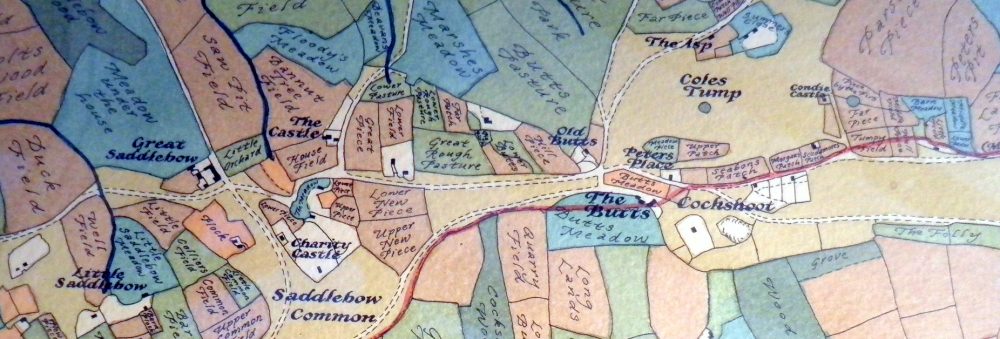
In Victorian times, society was shaped by values, technologies, and ways of life that are almost unrecognisable today.
Steam powered industry, rigid social hierarchies, horse-drawn transport, and limited communication defined an age that, from our perspective, feels distant and unfamiliar. Yet the Victorians, confident in their progress, believed they understood the direction of the future. They could not have imagined the transformations that followed: electricity, aviation, digital technology, and global interconnection.
If the world has changed so profoundly in little more than a century, it suggests that our own assumptions about what lies ahead may be just as fragile. The future is not a simple extension of the present – it is unpredictable, and often unimaginable.
In Victorian times (roughly 1837–1901), house purchase and mortgage finance were very different from today. Mortgages certainly existed, but they were far less common, the lending market was tightly regulated by social class, and large deposits were generally required. Most ordinary working families rented, while home ownership was largely restricted to the middle and upper classes until the late 19th century. Here’s a breakdown:
1. Early Victorian Period (1837–1870s)
Mortgages were rare for the working class.
Property was generally purchased outright by the wealthy or financed through private arrangements, often within families.
Where mortgages were available, they were provided by:
Solicitors (private lawyers acting as moneylenders)
Wealthy individuals
Occasionally landed estates for long-term tenants buying freeholds.
Loan-to-value ratios were low: lenders were conservative, typically offering up to 50% of the property’s value, sometimes less.
Deposits of 50% or more were common for those who borrowed.
Repayments were usually interest-only, with the capital repaid at the end of the term.
This meant most artisans, labourers, and low-income families had no access to mortgage finance at all and remained lifelong tenants.
2. The rise of Building Societies (1850s onwards)
By the mid-Victorian period, building societies began to transform the mortgage market, particularly for the emerging middle class and better-paid skilled workers.
Early building societies were terminating societies:
A group of members pooled savings until there was enough to build or buy each member a house, after which the society dissolved.
By the 1870s, permanent building societies became widespread, offering ongoing mortgage finance.
Building societies offered smaller loans, but on slightly better terms than solicitors.
Typical deposit requirement: around 20%–30% of the property value, sometimes more for riskier borrowers.
Repayments were usually repayment mortgages rather than interest-only, which made home ownership possible for clerks, teachers, shopkeepers, and better-off artisans.
3. Late Victorian Period (1880s–1901)
By the late Victorian era, mortgages became more widely available as the middle class expanded and suburbs grew.
Building societies dominated the lending market, and competition slightly improved terms.
Deposits of 10%–25% were possible for reliable borrowers, but 25%–33% was more typical.
Loan terms were short by modern standards, often 10–20 years.
The interest rate tended to be 4–6%, relatively stable because prices were generally stable.
Nevertheless, most working-class families still rented, especially in cities. Home ownership remained aspirational until well into the 20th century.
4. Key Differences from Today
| Aspect | Victorian Mortgages | Modern Mortgages |
|---|---|---|
| Availability | Limited to middle & upper classes | Widely available |
| Deposit | 20%–50% (sometimes more) | Often 5%–20% |
| Term | 10–20 years | 25–40 years |
| Repayment Style | Mix of interest-only & repayment | Mostly repayment |
| Lenders | Solicitors, wealthy individuals, building societies | Banks, building societies |
| Access for Working Class | Very limited | Widely available |
The Victorian model of funding house purchases were that different from today because consumerism and the related expectaton of growth in prices, which has prevailed since the late 1960s, did not exist in the 19th century.
In the future, when a shrinking economy becomes established as the new normal, the post-growth model of house purchases will be as different again. If house prices decline as a result of declining prosperity, long term loans will not be commercially viable.
Any kind of borrowing will be unsustainable. Property owned free of of debts will be valuable as somewhere to live and run a business, which will retain its intrinsic value. The long-term usefulness of the house for living., will be maintained regardless of market price fluctuations.
Discover more from Chatting about Localism
Subscribe to get the latest posts sent to your email.